
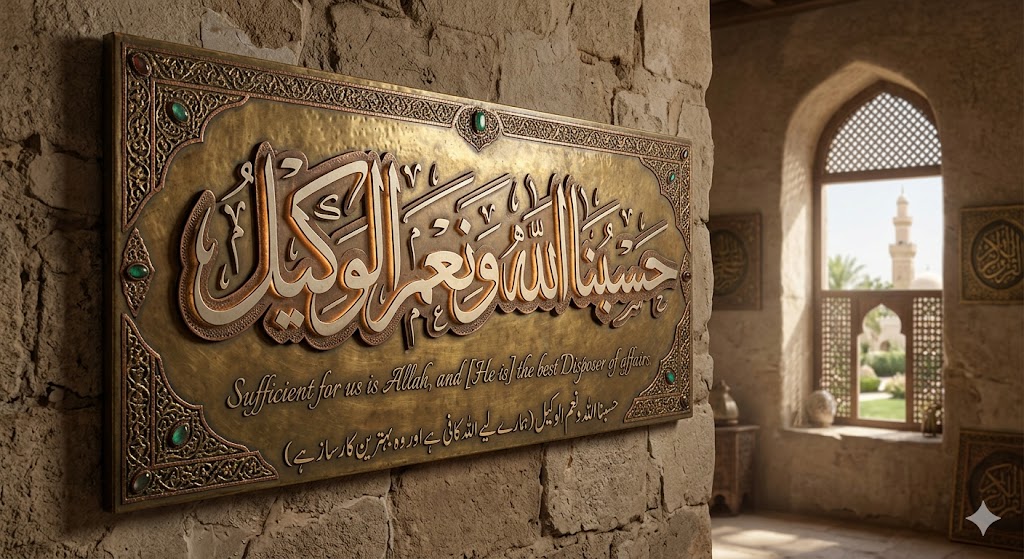
“Hasbunallahu wa ni’mal wakeel” is a powerful Islamic phrase that carries deep spiritual meaning and emotional strength. It is a declaration of complete trust in Allah, often recited in times of hardship, fear, or uncertainty. This phrase has comforted believers for centuries, offering reassurance that Allah alone is sufficient as a protector, helper, and disposer of all affairs.
In today’s fast-paced and often stressful world, many people seek peace and stability. This simple yet profound expression serves as a reminder that true reliance should be placed on Allah, not on worldly means alone. Understanding its meaning, significance, and benefits can help strengthen faith and bring inner calm.
Meaning of Hasbunallahu Wa Ni’mal Wakeel
The phrase “Hasbunallahu wa ni’mal wakeel” translates to:
“Allah is sufficient for us, and He is the best disposer of affairs.”
Breaking it down:
- Hasbunallahu: Allah is enough for us
- Wa ni’mal wakeel: And He is the best trustee or guardian
This statement reflects complete submission and trust in Allah’s plan. It acknowledges that no matter how difficult a situation may seem, Allah is fully capable of handling it in the best possible way.
Historical and Quranic Significance
This phrase appears in the Quran and is associated with moments of great trial faced by believers. It is famously linked to Prophet Ibrahim (peace be upon him), who said it when he was thrown into the fire. Despite the danger, he placed his trust entirely in Allah, and the fire became cool and safe for him.
It is also mentioned in relation to the companions of the Prophet Muhammad (peace be upon him) when they faced threats from enemies. Instead of giving in to fear, they declared their trust in Allah by reciting this phrase.
These examples highlight how powerful faith and reliance on Allah can transform even the most difficult circumstances.
Spiritual Benefits of Reciting This Phrase
1. Strengthens Faith
Reciting “Hasbunallahu wa ni’mal wakeel” reinforces belief in Allah’s power and wisdom. It reminds the heart that everything happens according to His plan, even if we do not understand it immediately.
2. Reduces Anxiety and Stress
When facing challenges, repeating this phrase brings a sense of calm. It shifts focus away from fear and worry, replacing them with trust and acceptance.
3. Encourages Patience
Trusting Allah helps develop patience. Instead of reacting impulsively, believers learn to wait for Allah’s guidance and timing.
4. Provides Emotional Relief
During moments of sadness or distress, this phrase acts as a source of comfort. It reassures that Allah is always present and aware of every struggle.
5. Builds Resilience
By relying on Allah, individuals become mentally and emotionally stronger. They are better able to face life’s challenges with courage and hope.
When to Recite Hasbunallahu Wa Ni’mal Wakeel
There is no specific time required to recite this phrase. However, it is especially beneficial in certain situations:
During Difficult Times
Whether dealing with financial problems, health issues, or personal struggles, reciting this phrase can provide relief and clarity.
When Facing Fear or Anxiety
In moments of fear, this declaration helps calm the heart and reminds one that Allah is in control.
After Experiencing Injustice
If someone feels wronged or treated unfairly, reciting this phrase can help place the matter in Allah’s hands rather than seeking revenge.
In Daily Life
Even outside of hardship, regularly reciting this phrase strengthens one’s connection with Allah and maintains a mindset of trust.
How to Incorporate It Into Daily Routine
Morning and Evening Remembrance
Including this phrase in daily supplications can set a positive tone for the day and bring peace at night.
During Prayer
While it is not a required part of formal prayer, it can be recited during personal supplications (dua) to enhance sincerity and trust.
In Moments of Reflection
Taking a few moments to reflect on its meaning while reciting it can deepen its impact on the heart.
Psychological and Emotional Impact
Modern life often brings stress, uncertainty, and pressure. Many people struggle with anxiety and overthinking. The phrase “Hasbunallahu wa ni’mal wakeel” offers a simple yet effective way to cope.
It works by shifting perspective. Instead of trying to control everything, it encourages letting go and trusting a higher power. This mindset reduces mental burden and promotes emotional balance.
It also helps individuals accept outcomes, whether favorable or not, knowing that Allah’s plan is always wise and just.
Difference Between Trust and Action
While this phrase emphasizes trust in Allah, it does not mean abandoning effort. Islam teaches a balance between reliance on Allah and taking practical steps.
For example, if someone is facing a problem, they should:
- Take necessary action to solve it
- Seek advice or help if needed
- Pray and trust Allah with the outcome
Reciting “Hasbunallahu wa ni’mal wakeel” complements effort—it does not replace it.
Common Misunderstandings
1. It Is Only for Difficult Times
Many people think this phrase should only be used in hardship. In reality, it can be recited at any time to maintain a strong connection with Allah.
2. It Guarantees Immediate Results
While it brings peace and spiritual strength, it does not always lead to instant solutions. Sometimes, the benefit lies in patience and inner growth.
3. It Replaces Responsibility
Trusting Allah does not mean avoiding responsibilities. Believers are encouraged to act responsibly while relying on Allah.
Stories of Faith and Reliance
Throughout history, many believers have found strength in this phrase. From prophets to ordinary individuals, it has been a source of courage and hope.
People facing financial hardship, illness, or personal loss often turn to this phrase for comfort. Over time, many report feeling more at peace and better able to handle their challenges.
These experiences show that true reliance on Allah can transform not only circumstances but also one’s mindset.
Practical Tips for Consistent Recitation
- Start with a small number of repetitions daily
- Reflect on its meaning rather than reciting mindlessly
- Use it during stressful moments instead of negative self-talk
- Combine it with other supplications for a balanced routine
Consistency is key. Even a few sincere repetitions can have a powerful impact.
FAQs
What does “Hasbunallahu wa ni’mal wakeel” mean?
It means “Allah is sufficient for us, and He is the best disposer of affairs.” It expresses complete trust in Allah.
When should I say this phrase?
You can say it anytime, but it is especially helpful during difficult situations, fear, or stress.
How many times should it be recited?
There is no fixed number. It can be recited as often as needed, depending on personal preference and situation.
Can it help with anxiety?
Yes, many people find that it reduces anxiety by shifting focus from worry to trust in Allah.
Is it mentioned in the Quran?
Yes, the phrase appears in the Quran and is associated with moments of strong faith and reliance on Allah.
Does it replace taking action?
No, it complements action. Believers are encouraged to make efforts while trusting Allah with the results.
Conclusion
“Hasbunallahu wa ni’mal wakeel” is more than just a phrase—it is a mindset and a way of life. It teaches complete trust in Allah, encourages patience, and provides comfort during life’s challenges.
By incorporating this powerful declaration into daily life, individuals can develop stronger faith, emotional resilience, and a sense of peace. In a world full of uncertainties, this simple expression serves as a reminder that Allah is always sufficient and the best guardian of all affairs.
Embracing its meaning can transform how one approaches difficulties, turning fear into faith and worry into trust.